Worse on Purpose: How Digital Creators Are Weaponizing Degradation to Cut Through the Feed
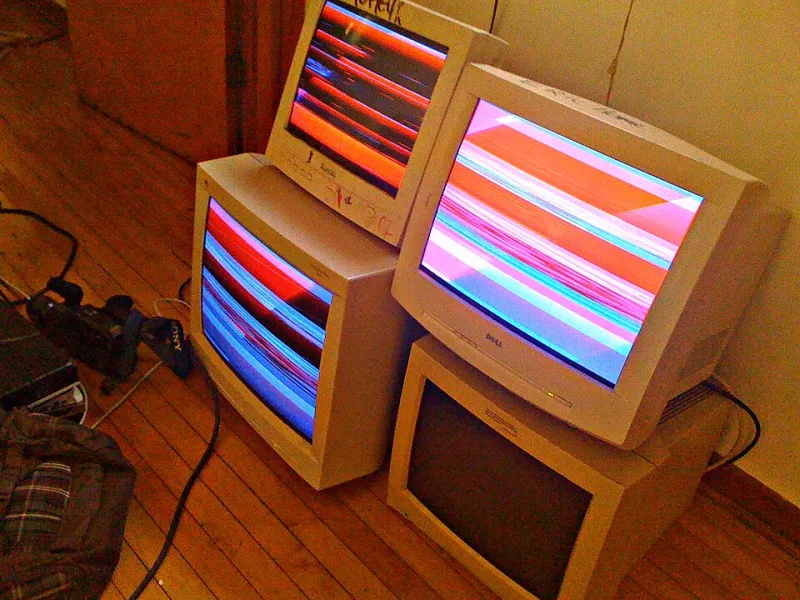
Photo: jonCates, CC BY-SA 4.0, via Wikimedia Commons
Let's be honest about what the feed looks like right now. Everything is clean. Everything is color-graded within an inch of its life. Skin is smoothed, audio is mastered, thumbnails are A/B tested against seventeen variations before a single human eye sees them. The algorithmic content economy has converged on a visual language so consistent, so optimized, that scrolling through it starts to feel like reading the same sentence over and over in different fonts.
So some people decided to break their stuff on purpose. And it's working.
The Artifact as Argument
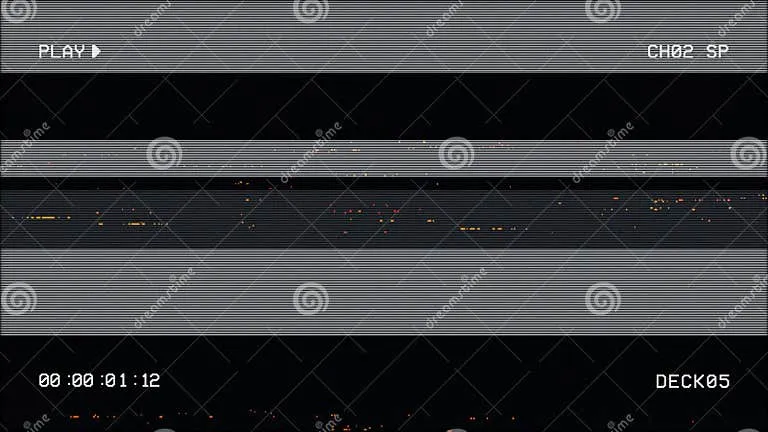
There's a specific visual vocabulary emerging from a loose constellation of digital artists, video essayists, musicians, and general online weirdos who've decided that the path to being seen is to look like something went wrong. Heavy JPEG compression. VHS dropout. Audio run through a bitcrusher until it sounds like it's being transmitted from a dying satellite. Images dithered down to the kind of color depth that was obsolete in 1997.
This isn't just aesthetic nostalgia, though there's some of that baked in. The move here is more calculated. When everything around you is optimized, degradation becomes a differentiator. The artifact — the glitch, the dropout, the crushed codec — signals something that polish can't: this wasn't made by a content pipeline. A human being did something weird here.
Call it weaponized imperfection. Call it strategic ugliness. The point is that it's a choice, and the choice is legible to anyone who's spent enough time in the feed to know what intentional looks like.
Why Polish Became Invisible
There's a concept in visual psychology sometimes called "banner blindness" — the way people's eyes learn to skip over content that looks like advertising because they've been trained by repetition to treat it as noise. Something similar is happening at the content level on every major platform right now.
The algorithmic optimization loop has trained creators to hit specific quality markers — certain aspect ratios, certain audio loudness levels, certain thumbnail contrast ranges — and it's worked so well that the output has become homogeneous enough to trigger a kind of perceptual filtering. Perfectly produced content, in 2025, reads as default. It doesn't register as a choice. It registers as the background.
Degradation breaks that filter. A heavily artifacted image or a video with intentional dropout creates a perceptual interruption. The brain flags it as anomalous, which means it actually gets looked at instead of scrolled past. It's the same reason a typo in a headline gets more engagement than a clean one — error implies a human, and humans are more interesting than pipelines.
Who's Actually Doing This
The practice is spread across a pretty wide range of creative contexts, which is part of what makes it interesting. You've got visual artists posting work through multiple generations of lossy compression until the original image is barely recoverable — the degradation itself becoming the piece. Musicians running pristine recordings through cassette emulators, then recording the cassette playback on a phone mic, then compressing the result into a 96kbps MP3. Video creators shooting on their actual phone but then running the footage through filters that make it look like a corrupted stream from a surveillance camera.
On the more conceptual end, there are people who are explicitly framing this as a political gesture — a refusal to participate in the quality arms race that platforms have imposed on creators. If the algorithm rewards polish, then refusing to polish is a small act of defiance. Whether that defiance accomplishes anything structural is debatable, but as a personal creative stance it has a certain coherence.
Then there's the more pragmatic crowd who are just doing it because it works. The aesthetic signals authenticity, the anomaly gets attention, and the content performs. That's a different motivation than ideology, but the output is sometimes indistinguishable.
The Authenticity Trap
Here's the uncomfortable thing, though. The second degradation becomes a recognizable strategy — the second it has a name and a discourse and a category — it starts doing the same thing that polish does. It becomes a template. And templates are invisible.
There are already creators who are doing "intentional artifact" aesthetics in ways that feel completely hollow — running clean footage through a VHS filter plugin and calling it raw, compressing images using a preset instead of actually understanding what the compression is doing to the image. The form without the intention. The glitch without the signal.
This is the core tension in any authenticity strategy deployed at scale: the authenticity is legible until it's common enough that it becomes its own kind of performance. At which point you need a new move.
The creators who are doing this well understand that the degradation has to be specific. Not just "looks bad" but bad in a way that encodes information about how it got that way. A cassette rip sounds different from a bitcrushed digital file. A real JPEG artifact from over-compression looks different from a Photoshop filter. The specificity is what carries the signal. The generic version is just noise.
Staying Ahead of the Template
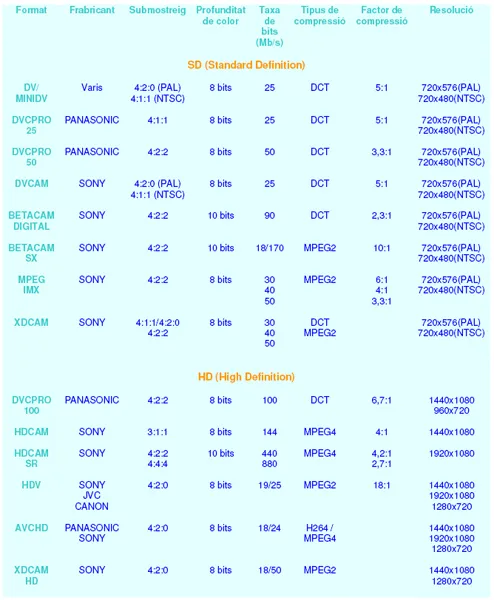
The people who are actually moving through this space with any fluency are the ones who treat degradation as a research practice rather than an aesthetic. They're experimenting with specific codecs, specific hardware, specific signal chains — trying to find combinations that produce results that are genuinely novel, that don't have a preset name yet.
It's not that different, conceptually, from what the bandwidth obsessives are doing on the network side. Push the system past its expected operating parameters. Document what breaks. Figure out if what breaks is interesting. The fringe methodology applied to creative production.
The feed is going to absorb this, eventually. It absorbs everything. But right now, in this particular window, making something worse on purpose is one of the few ways to make something that looks like a decision. And in a content environment this saturated, looking like a decision is almost radical.
Tune in while it's still static.