Dead Formats Walking: The Obsessive World of Video Codec Collectors
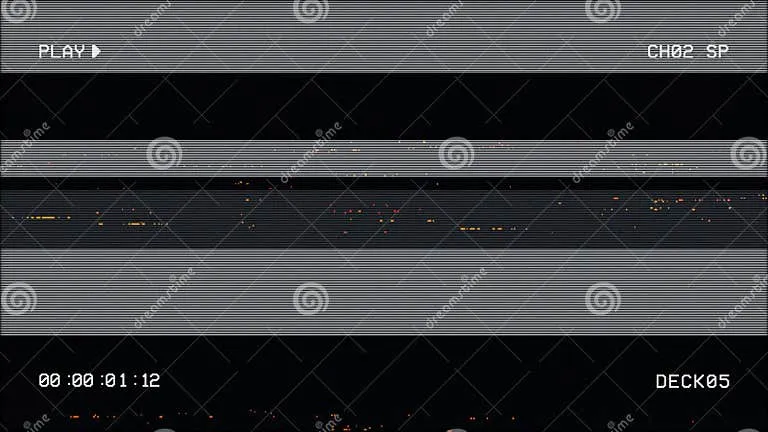
Photo: vintage video codec compression artifacts old digital screen glitch, via thumbs.dreamstime.com
There's a Discord server — you won't find it by searching — where people spend hours debating the exact visual fingerprint of RealVideo 3.0 versus Sorenson Spark. They share screen grabs of macroblocking patterns the way sneakerheads share sole closeups. Someone drops a rare .rm file in the channel and the response is immediate, enthusiastic, almost reverent.
This is the codec underground, and it's weirder and more alive than you'd expect.
What Even Is a Codec, and Why Would Anyone Collect One?
For the uninitiated: a codec is a compression algorithm — the invisible logic that decides how video data gets squeezed down to a manageable size and then expanded again for playback. H.264 is the one your phone uses. AV1 is newer. But go back twenty, thirty years and you hit a graveyard of formats that barely anyone remembers: Indeo, Cinepak, DivX 3.11 (the "hacked" one), Windows Media Video 7, the whole chaotic era before streaming standardized everything.
For most people, these are just dead software. For a growing subset of collectors, they're artifacts.
The appeal isn't purely technical. It's about what these formats look like — the specific way they fall apart. Cinepak smears motion into impressionistic blurs. Early MPEG-1 creates ghostly halos around moving objects. RealVideo at low bitrates generates a kind of digital watercolor effect that's genuinely unlike anything a modern codec produces. These aren't bugs to the collectors. They're signatures.
The Artifact Economy
What's actually being traded in these spaces isn't always the codec itself — it's knowledge, access, and context. Someone who knows how to configure a 1998 build of VirtualDub to properly encode Indeo 5 video has a skill that is, objectively, useless in 2024. In the codec underground, that same knowledge makes them a resource.
Niche forums — some on the open web, many nested inside Discord servers or private Telegram groups — function as informal libraries. People post original installation disks, archived codec packs, old driver bundles that barely run on modern Windows. The conversation around them reads less like tech support and more like provenance documentation. Where did this come from? What machine originally ran it? Can you still get authentic output from it, or is this a reproduction?
That last question matters. There's a meaningful distinction, in these communities, between a file encoded with the original codec at the time versus a modern re-encode that mimics the look. The "authentic artifact" framing — borrowed wholesale from physical media collecting — has migrated into pure digital territory. The file is the object. The compression history is the patina.
Gen Z Found the Glitch Aesthetic, Then Found the Source Code
It's worth asking why this is happening now, with younger collectors leading a lot of the charge. Part of it is the lofi and vaporwave pipelines — aesthetics that have spent years rehabilitating degraded digital visuals as emotionally resonant rather than technically inferior. If you grew up thinking a VHS wobble was cozy and a pixelated JPEG was nostalgic, the leap to "this specific codec's compression artifacts are beautiful" isn't that large.
But there's something more specific happening too. Gen Z collectors, in particular, seem drawn to formats they didn't actually live through. The appeal isn't personal nostalgia — it's archaeological. These are textures from a digital past they're reconstructing from forum archives and YouTube rabbit holes, the same way a 22-year-old might get deep into first-pressing vinyl from before they were born.
Millennials in the space tend to bring lived experience: the actual memory of trying to get DivX working on a burned CD in 2002, the specific frustration of codec errors and missing filters. That experiential layer adds a different kind of value to their participation. They're the oral historians.
Preservation as Resistance
There's a quieter motive underneath the collecting, one that the more thoughtful participants in these communities will articulate if you ask directly: fear of total erasure.
Large platforms don't preserve format diversity. YouTube re-encodes everything. Streaming services use whatever codec serves their infrastructure. The visual history of early digital video — the specific way the late '90s and early 2000s looked on screen — is being quietly flattened into modern compression standards that are technically superior and aesthetically homogeneous.
The codec collectors are betting that specificity matters. That a video encoded in Windows Media Video 8 in 2001 doesn't just contain footage — it contains a record of how that footage was processed, which is itself a document of the technological moment. Lose the codec, lose the context.
Organizations like the Internet Archive do preservation work at scale, and the codec underground is aware of and generally supportive of that effort. But the underground operates at a different register — granular, obsessive, community-driven. It's less about institutional preservation and more about keeping the knowledge alive in human beings who can actually use it.
Finding the Frequency
If you want to find these communities, the path is deliberately indirect. You start with the public-facing edges — certain subreddits dedicated to video encoding, some threads on VideoHelp.com that have been running since the early 2000s. From there, if you ask the right questions and demonstrate actual knowledge rather than casual curiosity, someone might point you toward a Discord invite or a private forum.
The gatekeeping isn't hostile. It's just specific. Show up asking "where do I get rare codecs" and you'll get ignored. Show up with a genuine question about why Sorenson Spark handles temporal compression differently than Cinepak, and suddenly you're in a conversation.
That's how the underground works. The signal is always there. You just have to already know what you're listening for.